“Cortisol” Important hormone
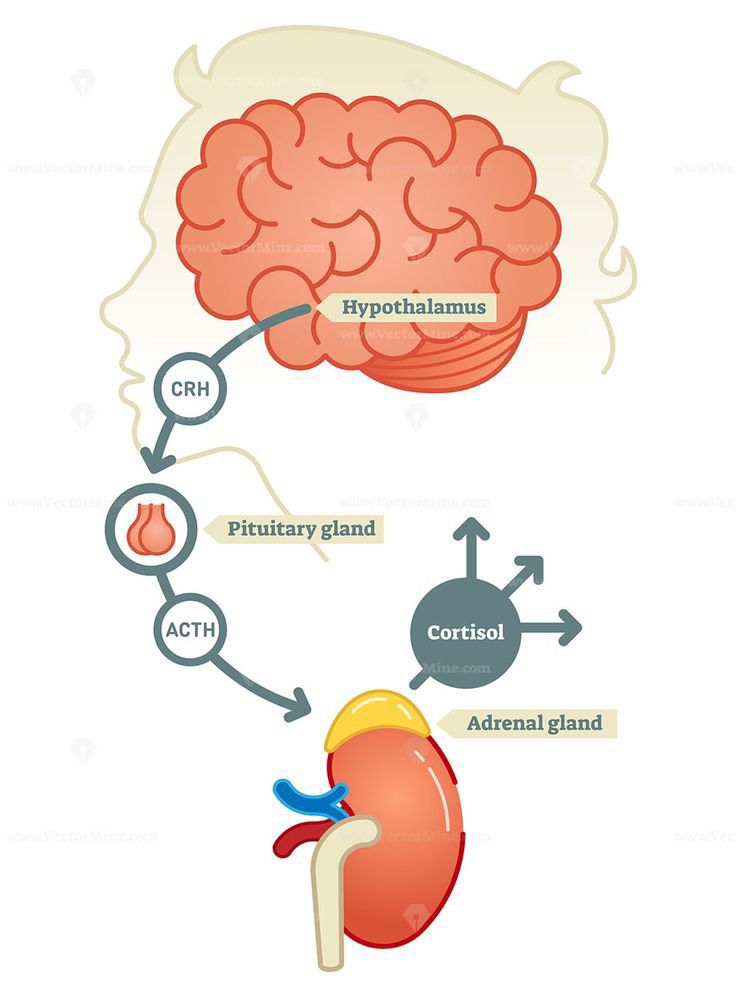
What is Cortisol?
Cortisol is a steroid hormone produced by the adrenal glands, which are located on top of the kidneys. It is often referred to as the “stress hormone” because its levels increase in response to stress. Cortisol plays a crucial role in several vital body functions, including:
- Metabolism Regulation: Cortisol helps regulate how your body converts proteins, carbohydrates, and fats into energy.
- Immune Response: It modulates the immune system’s response to inflammation and infection.
- Blood Sugar Levels: Cortisol assists in controlling blood sugar levels by increasing glucose production in the liver.
- Blood Pressure: It helps maintain blood pressure by regulating the balance of salt and water in the body.
- Circadian Rhythm: Cortisol levels typically rise in the morning to help wake you up and gradually decline throughout the day, following a circadian rhythm.
How Cortisol Affects Body Function and Brain
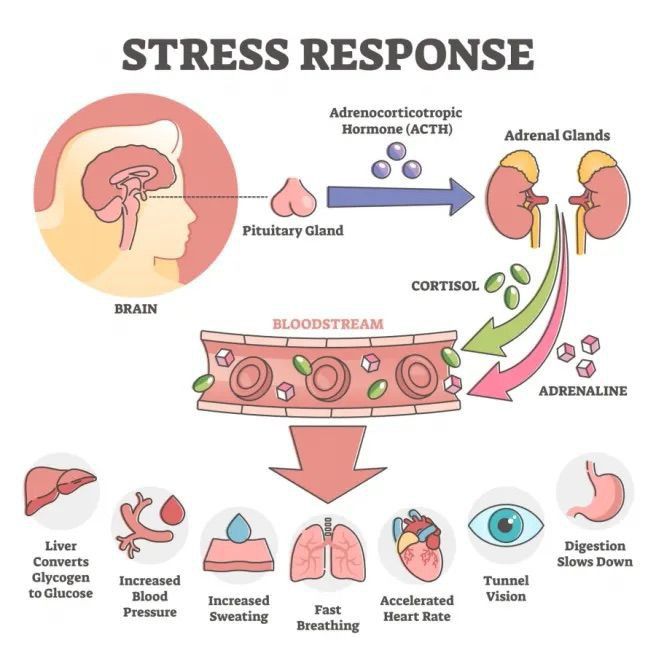
- Physical Health:
- Increased Appetite: Cortisol can increase your appetite, particularly for high-calorie foods rich in fat and sugar. This is because the body, under stress, tries to store energy in case it faces a prolonged period of stress.
- Increased Blood Sugar: Cortisol raises blood sugar levels by increasing glucose production. Over time, consistently high blood sugar levels can lead to insulin resistance, making it more difficult for your body to use glucose effectively and increasing the risk of weight gain.High cortisol can lead to elevated blood sugar levels, increasing the risk of diabetes.
- Fat Storage: Cortisol can lead to the accumulation of fat, especially in the abdominal area. This is because cortisol signals the body to store energy, leading to the storage of fat around vital organs, which is particularly dangerous and linked to various health conditions.
- Immune Suppression: Prolonged high levels of cortisol can suppress the immune system, making the body more susceptible to infections.
- Muscle Breakdown and weight gain: Cortisol can cause muscle breakdown (catabolism) to release amino acids that can be converted into glucose for energy. This loss of muscle mass slows down metabolism, making it easier to gain weight.
- High Blood Pressure: Cortisol causes the blood vessels to constrict, which can lead to hypertension over time.
- Mental Health:
- Stress Response: Cortisol helps you respond to acute stress, but chronic stress leading to consistently high cortisol can contribute to anxiety, depression, and mood swings.
- Memory and Learning: Elevated cortisol levels over time can impair cognitive function, particularly memory and learning.
- Sleep Disruption: High cortisol levels can disrupt sleep patterns, leading to poor-quality sleep or insomnia. Lack of sleep is associated with weight gain because it can lead to increased hunger, cravings, and a reduced ability to make healthy food choices.
Ayurvedic Herbs to Balance Cortisol
Ayurvedic herbs are often used to help balance cortisol levels and manage stress naturally. Here’s how some of these herbs work:
1. Ashwagandha
- Action: Ashwagandha is an adaptogen, meaning it helps the body adapt to stress. It has been shown to lower cortisol levels, reduce anxiety, and improve overall well-being.
- Effect on Cortisol: It helps reduce chronic stress, which in turn lowers cortisol production, thereby helping to prevent the negative effects associated with high cortisol levels.
2. Holy Basil (Tulsi)
- Action: Holy Basil is another adaptogen that helps reduce stress and balance cortisol levels. It also has antioxidant properties that help protect the body from oxidative stress.
- Effect on Cortisol: Regular use of Tulsi may help lower cortisol levels and reduce stress-related symptoms, such as anxiety and fatigue.
3. Brahmi (Bacopa Monnieri)
- Action: Brahmi is traditionally used to enhance cognitive function and reduce stress. It supports the adrenal glands, which play a key role in regulating cortisol.
- Effect on Cortisol: Brahmi helps calm the nervous system, reducing stress and helping to balance cortisol levels naturally.
4. Rhodiola (Rosea)
- Action: Though not a traditional Ayurvedic herb, Rhodiola is often used in Ayurvedic practice due to its adaptogenic properties. It helps the body resist physical and emotional stress.
- Effect on Cortisol: Rhodiola has been shown to lower cortisol levels, particularly in response to acute stress, helping the body recover more quickly from stressors.
5. Licorice Root (Mulethi)
- Action: Licorice root helps support adrenal function and prolongs the action of cortisol by inhibiting the enzyme that breaks it down. It’s particularly useful in cases of adrenal fatigue.
- Effect on Cortisol: While it can help maintain energy levels, it should be used cautiously, as it can sometimes lead to elevated cortisol levels if used excessively.
6. Shatavari (Asparagus Racemosus)
- Action: Shatavari is known for its nourishing and calming properties, especially in supporting the reproductive and digestive systems, which can be affected by stress.
- Effect on Cortisol: It helps balance hormones and reduces stress, which can indirectly lower cortisol levels and promote a more balanced stress response.
7. Ginseng (Indian Ginseng)
- Action: Also known as Ashwagandha, Indian Ginseng helps the body cope with stress and has a normalizing effect on cortisol levels.
- Effect on Cortisol: By improving the body’s resilience to stress, it helps in regulating cortisol levels and prevents the spikes associated with chronic stress.
8. Jatamansi (Spikenard)
- Action: Jatamansi has calming properties and is often used to treat anxiety, insomnia, and other stress-related conditions.
- Effect on Cortisol: It helps in lowering cortisol levels by calming the nervous system and promoting relaxation.
These herbs are often used in combination with lifestyle practices like meditation, yoga, and a balanced diet to help manage stress and cortisol levels naturally. However, it’s essential to consult with a healthcare provider before starting any new herbal regimen, especially if you have underlying health conditions or are taking other medications.
Incorporating Ayurvedic Herbs
- Decoctions: Boil the herbs in water to make a tea or decoction that can be consumed regularly.
- Supplements: Ayurvedic herbs are also available in capsule or tablet form, which can be taken as per an Ayurvedic practitioner’s recommendation.
- Diet: Incorporating these herbs into your daily diet through cooking or herbal powders can also be beneficial.
Note: It’s important to consult with a healthcare provider or an Ayurvedic practitioner before starting any new herbal regimen, especially if you have existing health conditions or are taking other medications.
 Health Wellness Beauty with Ayurveda